

Introduction
AI software tools are changing the way people work by making everyday tasks faster, easier, and more efficient. Whether you’re writing documents, creating marketing campaigns, analyzing data, managing projects, designing graphics, or developing software, AI-powered applications can help improve productivity while reducing manual effort. Businesses of all sizes, freelancers, students, and professionals are increasingly using AI software to streamline workflows and achieve better results in less time.
For beginners, selecting the right AI software can feel overwhelming because hundreds of platforms are available, each offering different features and capabilities. Some focus on content creation, while others specialize in coding, automation, customer support, image generation, or business intelligence. Understanding how these tools work and what they are designed to do makes it easier to invest in software that matches your goals and budget.
This guide explores everything you need to know about AI software tools, including their purpose, importance, selection process, advantages, limitations, common mistakes, frequently asked questions, and practical tips. By the end of this article, you’ll have a better understanding of how AI software can help improve both personal and professional productivity.
What Are AI Software Tools?
AI software tools are computer applications that use artificial intelligence, machine learning, and automation to perform tasks that normally require human intelligence. These tools can generate content, process information, recognize patterns, answer questions, analyze data, create images, write code, automate repetitive work, and support decision-making across many industries.
Today’s AI software tools are used in education, marketing, healthcare, finance, software development, customer service, project management, and business operations. Many platforms offer cloud-based services, making them accessible from virtually anywhere while supporting collaboration among teams.
Why Are AI Software Tools Important?
AI software tools help individuals and organizations work more efficiently by reducing repetitive tasks and allowing users to focus on higher-value activities. Instead of spending hours performing manual work, users can automate routine processes, improve accuracy, and complete projects much faster.
These tools also encourage innovation by providing intelligent suggestions, improving collaboration, and helping businesses respond quickly to changing market demands. As AI technology continues to evolve, software tools are becoming essential for maintaining productivity and staying competitive.
Step-by-Step Guide to Choosing AI Software Tools
Step 1: Define Your Objectives
Start by identifying what you want the software to accomplish. Whether your focus is content creation, automation, coding, customer support, or data analysis, having clear objectives helps narrow your choices.
Selecting software that aligns with your specific workflow improves both productivity and long-term value.
Step 2: Compare Core Features
Evaluate each platform based on its available features, including automation capabilities, collaboration tools, integrations, templates, reporting, customization, and language support.
Choose software that includes the features you actually need rather than paying for unnecessary extras.
Step 3: Assess Ease of Use
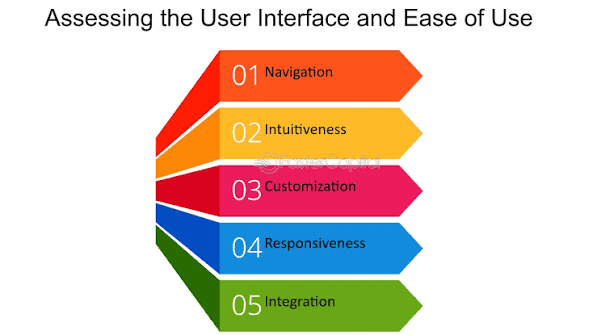
User-friendly software allows beginners to become productive more quickly. Look for platforms with intuitive interfaces, guided tutorials, and responsive customer support.
Simple navigation reduces training time and helps teams adopt new software more efficiently.
Step 4: Review Pricing Options
Many AI software providers offer free plans, monthly subscriptions, or enterprise-level pricing.
Compare available plans carefully to ensure the software fits both your budget and future growth requirements.
Step 5: Check Compatibility
The best AI software integrates smoothly with existing business applications such as cloud storage, communication platforms, CRM systems, project management software, and productivity suites.
Strong compatibility minimizes workflow disruptions and improves overall efficiency.
Step 6: Consider Security Standards
Review each provider’s approach to data protection, privacy, encryption, and compliance before storing sensitive information.
Reliable security features help protect both personal data and confidential business information.
Step 7: Read Customer Feedback
User reviews provide practical insights into software reliability, performance, ease of use, and customer support.
Learning from real user experiences helps identify strengths and possible limitations before making a purchase.
Step 8: Try Before Committing
Whenever possible, test free trials or demo versions before purchasing a subscription.
Hands-on experience helps you evaluate functionality, performance, and overall usability with minimal financial risk.
Benefits of AI Software Tools
- Increases workplace productivity.
- Automates repetitive business tasks.
- Saves time on routine activities.
- Improves workflow efficiency.
- Enhances collaboration among teams.
- Supports faster decision-making.
- Helps create content more efficiently.
- Reduces manual errors.
- Scales with business growth.
- Offers flexible cloud-based access.
- Supports multiple industries.
- Many platforms include free trial options.
Disadvantages / Risks
- Subscription costs may increase over time.
- Some software requires training.
- Internet connectivity is often necessary.
- AI-generated outputs may need human review.
- Privacy concerns exist with sensitive data.
- Advanced features may have steep learning curves.
- Platform limitations vary by provider.
- Excessive dependence may reduce manual skills.
Common Mistakes to Avoid
One common mistake is choosing AI software based solely on popularity instead of evaluating whether it fits your actual workflow. Purchasing feature-rich software that you rarely use often leads to unnecessary costs and lower productivity. Carefully identifying your requirements before selecting a platform helps maximize your investment.
Another frequent mistake is failing to review AI-generated results. Although AI software can automate many tasks, users should always verify important information, customize outputs, and maintain quality standards. Combining automation with human oversight produces more accurate and professional results.
Frequently Asked Questions
1. What are AI software tools?
AI software tools are applications that use artificial intelligence to automate tasks, generate content, analyze data, improve productivity, and support decision-making across different industries.
2. Who can use AI software?
AI software is suitable for students, freelancers, business owners, marketers, developers, designers, educators, and professionals looking to improve efficiency and automate repetitive work.
3. Are AI software tools difficult to learn?
Many modern AI platforms are designed with beginner-friendly interfaces, tutorials, and documentation, making them accessible even for users with limited technical experience.
4. Can AI software improve business productivity?
Yes. Businesses use AI software to automate workflows, improve customer service, analyze information, generate reports, create marketing content, and reduce operational costs.
5. Are free AI software tools available?
Many providers offer free plans or trial versions that allow users to explore core features before upgrading to premium subscriptions with additional capabilities.
6. How do I choose the right AI software?
Identify your objectives, compare features, evaluate pricing, test free versions, review customer feedback, and select software that integrates well with your existing workflow.
Expert Tips & Bonus Points
Start with one or two AI software tools that solve your biggest productivity challenges instead of trying multiple platforms simultaneously. Learning one system thoroughly often delivers better results than using several applications with overlapping features.
Stay informed about software updates and newly released features, as AI technology evolves rapidly. Regular learning, combined with thoughtful implementation and human oversight, allows you to maximize the value of AI software while maintaining high standards of quality and accuracy.
Conclusion
AI software tools have become valuable assets for improving productivity, simplifying complex tasks, and supporting smarter decision-making across countless industries. Whether you’re creating content, managing projects, automating business processes, or analyzing data, the right AI software helps save time while improving overall efficiency. Understanding your goals and selecting software that matches your workflow are the first steps toward making a successful investment.
Effective use of AI software requires more than simply relying on automation. Reviewing outputs, protecting sensitive information, and continuously learning new features ensure you achieve reliable and high-quality results. As AI technology continues to advance, users who combine these tools with their own expertise will be better positioned to adapt and succeed.
By applying the guidance in this article, beginners can confidently evaluate AI software tools and choose solutions that support both personal and professional growth. With careful selection and responsible use, AI software can become an essential part of a more productive, efficient, and innovative workflow.