
Introduction
In today’s competitive business environment, organizations are constantly looking for ways to improve efficiency, reduce operational costs, and deliver better customer experiences. As businesses grow, managing repetitive tasks manually becomes increasingly difficult, often leading to delays, human errors, and reduced productivity. From processing invoices and managing customer inquiries to handling employee onboarding and marketing campaigns, manual workflows can slow business growth and consume valuable resources.
Automation Solutions provide businesses with a smarter way to manage daily operations by replacing repetitive manual tasks with automated workflows. These solutions use technologies such as artificial intelligence (AI), robotic process automation (RPA), machine learning, and cloud computing to simplify complex business processes and improve overall performance.
Whether you’re running a small business, a growing startup, or a large enterprise, Automation Solutions can help streamline operations, improve collaboration, increase accuracy, and allow employees to focus on strategic tasks rather than routine administrative work. As digital transformation continues to reshape industries, automation has become an essential investment for businesses seeking long-term success.
This comprehensive guide explains everything you need to know about Automation Solutions, including their benefits, key features, business applications, implementation strategies, and future trends.
What Are Automation Solutions?
Automation Solutions are software platforms and technologies designed to automate repetitive business processes without requiring constant human intervention. These solutions perform routine tasks according to predefined rules while improving speed, consistency, and accuracy.
Modern Automation Solutions combine workflow automation, artificial intelligence, data analytics, and system integrations to automate complex business operations across multiple departments.
Businesses commonly use Automation Solutions for customer support, marketing automation, sales management, finance, human resources, inventory management, document processing, and project management.
Instead of relying on manual work, organizations can automate daily operations while maintaining greater control over business processes.
Why Automation Solutions Are Important
Businesses generate large amounts of data and manage hundreds of repetitive tasks every day. Manual workflows often result in slower operations, communication gaps, duplicated work, and unnecessary expenses.
Automation Solutions help eliminate these challenges by creating standardized workflows that operate efficiently and consistently. Employees spend less time on repetitive administrative tasks and more time focusing on innovation, customer relationships, and business growth.
Organizations that invest in automation become more agile, improve customer satisfaction, and gain a competitive advantage in rapidly changing markets.
Benefits of Automation Solutions
Increased Productivity
Automation Solutions eliminate repetitive manual work, allowing employees to focus on higher-value activities that require creativity, decision-making, and problem-solving.
Reduced Human Errors
Automated systems follow predefined rules with high accuracy, minimizing data entry mistakes, missed approvals, and process inconsistencies.
Lower Operating Costs
Businesses reduce labor expenses, improve resource utilization, and avoid costly operational errors by automating routine processes.
Faster Business Operations
Automation speeds up approvals, customer responses, reporting, document processing, and workflow execution, helping organizations complete tasks much faster.
Improved Customer Experience
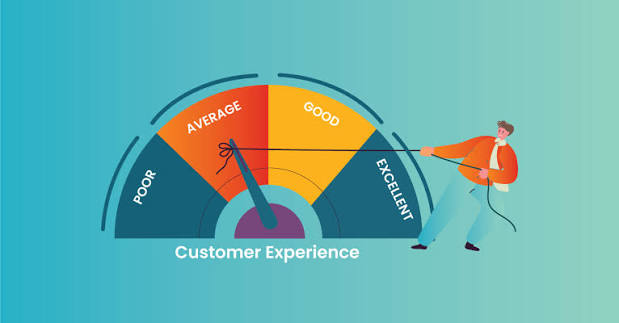
Customers receive quicker responses, faster issue resolution, personalized communication, and more reliable service through automated support systems.
Better Compliance
Automation Solutions ensure business processes follow standardized procedures while maintaining accurate records for audits and regulatory compliance.
Key Features of Automation Solutions
Modern Automation Solutions include powerful features that improve business efficiency.
Workflow automation automatically manages repetitive business processes from start to finish.
Artificial Intelligence analyzes business data and supports intelligent decision-making.
Robotic Process Automation performs repetitive digital tasks such as data entry and report generation.
Document automation creates, processes, stores, and manages digital documents automatically.
Email automation sends notifications, reminders, confirmations, and follow-up messages based on predefined triggers.
Real-time dashboards provide insights into workflow performance, employee productivity, and operational efficiency.
Integration capabilities connect automation software with CRM platforms, accounting systems, cloud storage, project management tools, and communication platforms.
Common Applications of Automation Solutions
Automation Solutions are used across nearly every business department.
Marketing teams automate email campaigns, social media scheduling, customer segmentation, lead nurturing, and campaign reporting.
Sales departments automate lead management, CRM updates, proposal generation, appointment scheduling, and customer follow-ups.
Customer support teams automate chatbot conversations, support ticket routing, customer feedback collection, and service requests.
Human Resources automate recruitment, onboarding, attendance tracking, payroll processing, and employee performance management.
Finance teams automate invoice approvals, expense tracking, payment processing, financial reporting, and budgeting workflows.
Operations departments automate inventory management, procurement, logistics, supply chain monitoring, and production planning.
Healthcare organizations automate patient scheduling, medical documentation, insurance verification, and administrative workflows.
Best Automation Solutions for Businesses
Many software platforms provide powerful automation capabilities.
Popular Automation Solutions include:
- Zapier
- Microsoft Power Automate
- Make (formerly Integromat)
- UiPath
- Automation Anywhere
- Blue Prism
- Monday.com
- ClickUp
- HubSpot
- Zoho Creator
- Airtable Automations
- Notion AI
Selecting the right automation platform depends on your business size, workflow complexity, integration requirements, and long-term goals.
Best Practices for Implementing Automation Solutions
Begin by identifying repetitive tasks that consume significant time and resources.
Map existing business processes before implementing automation to eliminate unnecessary steps.
Choose software that integrates smoothly with your current systems and applications.
Start with simple workflows before automating more complex operations.
Train employees to use automation tools effectively and encourage collaboration between teams.
Regularly monitor workflow performance and optimize automation rules based on business needs.
Maintain strong cybersecurity measures to protect business data and ensure regulatory compliance.
Combining automation with human oversight creates the most effective and sustainable business processes.
Common Mistakes to Avoid
Many businesses automate inefficient processes without improving them first. Others choose software based only on price without considering scalability or integration capabilities.
Additional mistakes include failing to train employees, neglecting workflow monitoring, ignoring customer feedback, and relying entirely on automation without human supervision.
Successful Automation Solutions support employees rather than replacing critical business decision-making.
Future of Automation Solutions
The future of Automation Solutions is driven by Artificial Intelligence, machine learning, cloud computing, predictive analytics, and intelligent workflow management. Future automation platforms will become increasingly capable of making complex business decisions, predicting operational bottlenecks, and optimizing workflows automatically.
Organizations will continue integrating automation with AI assistants, business intelligence platforms, and advanced analytics to create highly efficient digital workplaces. Businesses that invest in Automation Solutions today will be better prepared for innovation, scalability, and long-term success.
Frequently Asked Questions
What are Automation Solutions?
Automation Solutions are software and technologies that automate repetitive business tasks, improve workflow efficiency, reduce manual work, and increase productivity.
Why are Automation Solutions important?
They help businesses save time, reduce operational costs, improve accuracy, increase productivity, and deliver better customer experiences.
Can small businesses benefit from Automation Solutions?
Yes. Small businesses can automate marketing, invoicing, customer support, scheduling, and administrative tasks to improve efficiency without increasing staff.
Which industries use Automation Solutions?
Healthcare, finance, manufacturing, retail, education, logistics, real estate, eCommerce, marketing, IT, and professional services all benefit from Automation Solutions.
Conclusion
Automation Solutions have become an essential part of modern business operations, enabling organizations to work faster, smarter, and more efficiently. By automating repetitive tasks, improving workflow management, reducing costs, and enhancing customer experiences, businesses can focus on innovation and long-term growth. Whether you’re automating sales, marketing, finance, HR, or customer service, implementing the right Automation Solutions can significantly improve productivity and strengthen your competitive advantage. As technology continues to evolve, organizations that embrace automation today will be better positioned to achieve sustainable success in the digital economy.