
Introduction
Artificial intelligence is one of the fastest-growing technologies in the world, and learning its fundamentals has become valuable for students, professionals, entrepreneurs, and technology enthusiasts alike. AI tutorials provide a structured way to understand concepts, practice real-world applications, and develop practical skills without feeling overwhelmed. Whether you want to explore machine learning, automation, content creation, or AI-powered software, following quality tutorials helps you build confidence from the ground up.
For beginners, the vast amount of AI learning material available online can make it difficult to know where to begin. Some tutorials focus on basic concepts, while others teach programming, prompt writing, data analysis, or business applications. Choosing the right learning path allows you to develop relevant skills at your own pace while avoiding unnecessary confusion.
This guide explains everything you need to know about AI tutorials, including their purpose, why they are important, how to choose the best tutorials, learning strategies, benefits, common mistakes, and expert advice. By the end of this article, you’ll have a clear roadmap for starting your AI learning journey.
What Are AI Tutorials?
AI tutorials are educational resources designed to teach the concepts, tools, and practical applications of artificial intelligence. They may include written guides, video lessons, interactive exercises, coding examples, project-based learning, and step-by-step demonstrations that help learners understand AI in a simple and structured way.
These tutorials cover a wide variety of topics, including AI fundamentals, machine learning, natural language processing, computer vision, prompt engineering, automation, robotics, AI software, and real-world business applications. Many tutorials are created specifically for beginners and require little or no previous technical knowledge.
Why Are AI Tutorials Important?
AI tutorials provide a structured learning experience that helps beginners understand complex topics more easily. Instead of trying to learn from scattered resources, tutorials organize information into logical lessons, making it easier to build knowledge step by step.
They also provide hands-on practice through examples, exercises, and projects that reinforce learning. Applying concepts while studying improves understanding, increases confidence, and prepares learners to use AI effectively in personal, academic, or professional environments.
Step-by-Step Guide to Learning with AI Tutorials
Step 1: Set Clear Learning Goals
Before choosing tutorials, determine what you want to achieve. You may want to understand AI basics, learn machine learning, automate tasks, create content, or build AI-powered applications.
Clear goals help you select tutorials that align with your interests and long-term objectives.
Step 2: Start with AI Fundamentals
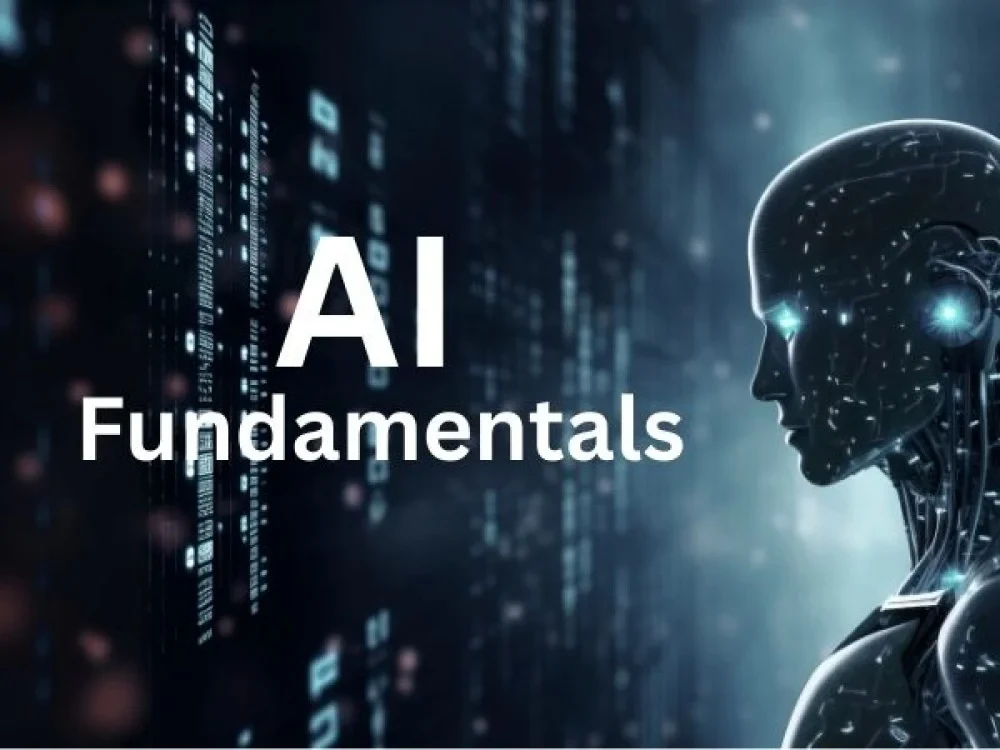
Begin by learning the basic concepts of artificial intelligence, including how AI works, common terminology, and everyday applications.
Building a strong foundation makes advanced topics easier to understand later.
Step 3: Choose Beginner-Friendly Tutorials
Select tutorials that explain concepts using simple language, practical examples, and step-by-step lessons.
Resources designed for beginners reduce confusion and help maintain motivation throughout the learning process.
Step 4: Practice What You Learn
Reading alone is not enough. Complete exercises, follow demonstrations, and apply new concepts through small projects whenever possible.
Regular practice strengthens understanding and improves long-term retention.
Step 5: Explore Different AI Topics
As your confidence grows, begin learning specialized areas such as machine learning, deep learning, automation, computer vision, prompt engineering, and AI-assisted productivity.
Exploring multiple topics helps you discover which area interests you the most.
Step 6: Learn Popular AI Software
Many tutorials introduce practical AI software used for writing, coding, image generation, data analysis, business automation, and customer support.
Learning how to use these tools increases your practical skills and workplace readiness.
Step 7: Build Personal Projects
Create small projects using the knowledge you’ve gained. Personal projects allow you to apply concepts independently while improving problem-solving abilities.
Project-based learning also helps build a portfolio that demonstrates your growing AI skills.
Step 8: Continue Learning Regularly
Artificial intelligence evolves rapidly, so continuous learning is essential. Follow updated tutorials, explore new techniques, and stay informed about emerging AI technologies.
Consistent learning helps maintain relevant knowledge in a constantly changing field.
Benefits of AI Tutorials
- Makes complex topics easier to understand.
- Provides structured learning paths.
- Suitable for complete beginners.
- Encourages hands-on practice.
- Improves technical knowledge.
- Supports career development.
- Builds confidence through practical exercises.
- Covers a wide range of AI applications.
- Helps learners develop valuable digital skills.
- Many tutorials are available free of charge.
- Encourages continuous learning.
- Prepares learners for advanced AI topics.
Disadvantages / Risks
- Learning requires time and consistency.
- Some tutorials become outdated quickly.
- Advanced concepts may feel challenging.
- Practical experience is necessary for mastery.
- Free tutorials may vary in quality.
- Information overload can confuse beginners.
- Some courses require paid subscriptions.
- Lack of regular practice may slow progress.
Common Mistakes to Avoid
Many beginners jump directly into advanced AI topics without first understanding the fundamentals. This often leads to confusion and frustration because advanced concepts build upon basic knowledge. Starting with introductory tutorials creates a stronger learning foundation and improves long-term success.
Another common mistake is watching tutorials without practicing. Passive learning rarely develops practical skills. Completing exercises, experimenting with AI software, and building small projects help reinforce concepts while improving confidence and problem-solving abilities.
Frequently Asked Questions
1. What are AI tutorials?
AI tutorials are educational resources that teach artificial intelligence concepts, software, tools, and practical applications through structured lessons, examples, and hands-on exercises.
2. Are AI tutorials suitable for beginners?
Yes. Many AI tutorials are specifically designed for beginners and explain technical concepts using simple language, practical demonstrations, and step-by-step guidance.
3. Do I need programming knowledge to learn AI?
Not always. Many introductory AI tutorials focus on concepts and practical applications without requiring coding. Programming becomes more important for advanced AI development.
4. How long does it take to learn AI?
The learning timeline depends on your goals and study schedule. Basic concepts can be learned within weeks, while advanced AI skills may require several months of consistent practice.
5. Are free AI tutorials effective?
Yes. Many free tutorials provide excellent introductions to AI fundamentals and practical software. Combining quality tutorials with regular practice produces strong learning results.
6. What should I learn after completing beginner tutorials?
After mastering the basics, explore machine learning, deep learning, prompt engineering, AI automation, data analysis, and project-based learning to continue expanding your skills.
Expert Tips & Bonus Points
Follow a structured learning path instead of switching between unrelated tutorials. Completing one course before moving to another helps build knowledge progressively while reducing confusion. Keep notes, review previous lessons regularly, and practice consistently to reinforce your understanding.
Focus on applying what you learn through real-world examples and personal projects rather than simply memorizing concepts. As AI technology evolves, maintaining curiosity and continuing to learn new tools and techniques will help you stay ahead and develop valuable long-term skills.
Conclusion
AI tutorials provide one of the most effective ways for beginners to understand artificial intelligence and develop practical skills for the future. By following structured lessons, practicing regularly, and exploring real-world applications, learners can build a strong foundation that supports both personal growth and professional development. Whether your goal is using AI software, creating intelligent applications, or simply understanding emerging technologies, quality tutorials make the learning journey much more manageable.
Success in learning AI depends on consistency, patience, and practical experience. Starting with the fundamentals, choosing beginner-friendly resources, and applying new knowledge through projects create a rewarding learning experience while improving confidence over time. Continuous practice also helps learners adapt as AI technology continues to evolve.
By using the strategies outlined in this guide, beginners can confidently begin their AI education and steadily develop valuable skills for today’s digital world. With dedication and the right tutorials, artificial intelligence becomes an accessible subject that opens new opportunities for innovation, productivity, and lifelong learning.