
Introduction
Digital advertising has become one of the most effective ways for businesses to reach their target audience, increase brand awareness, and drive sales. However, managing advertising campaigns across multiple platforms can be complex and time-consuming. Marketers need to research audiences, create compelling ad copy, optimize budgets, monitor campaign performance, and continuously improve results. AI advertising tools simplify these tasks by using artificial intelligence to automate campaign management and improve decision-making.
Today, businesses of all sizes use AI advertising tools to create more efficient and data-driven advertising strategies. Artificial intelligence can analyze customer behavior, identify high-performing audiences, generate ad copy, optimize bidding strategies, recommend creative improvements, and provide valuable performance insights. These capabilities allow marketers to maximize their advertising budgets while delivering more personalized experiences to potential customers.
This guide explains everything you need to know about AI advertising tools, including what they are, why they are important, how to choose the right platform, their benefits, disadvantages, common mistakes, frequently asked questions, and expert recommendations. Whether you’re new to online advertising or looking to improve campaign performance, this guide will help you get started.
What Are AI Advertising Tools?
AI advertising tools are software applications that use artificial intelligence and machine learning to automate, optimize, and improve digital advertising campaigns. These tools analyze large amounts of marketing data to help businesses create more effective advertisements, target the right audiences, optimize budgets, and improve return on investment.
Modern AI advertising tools often include features such as audience targeting, automated bidding, ad copy generation, performance analytics, budget optimization, A/B testing, campaign automation, predictive insights, and creative recommendations. These features help advertisers make smarter decisions while reducing manual work.
Why Are AI Advertising Tools Important?
AI advertising tools improve campaign performance by helping businesses reach the most relevant audiences with personalized advertisements. Instead of relying solely on manual analysis, marketers receive intelligent recommendations based on customer behavior, engagement patterns, and historical campaign data.
These tools also increase efficiency by automating repetitive tasks such as bid adjustments, audience segmentation, performance monitoring, and reporting. This allows advertisers to focus on creative strategy and business growth while AI handles optimization.
Step-by-Step Guide to Choosing AI Advertising Tools
Step 1: Define Your Advertising Goals
Start by identifying your campaign objectives. Your goals may include increasing website traffic, generating leads, improving sales, boosting brand awareness, or promoting new products.
Clear objectives help determine which AI advertising features are most important.
Step 2: Compare Platform Features
Different AI advertising tools provide different capabilities, including automated bidding, audience targeting, predictive analytics, campaign reporting, creative optimization, and budget management.
Select software that supports your specific advertising strategy.
Step 3: Evaluate Ease of Use
Beginners should prioritize platforms with simple dashboards, guided setup processes, and easy-to-understand reporting.
User-friendly software reduces the learning curve while making campaign management more efficient.
Step 4: Analyze Audience Targeting Features
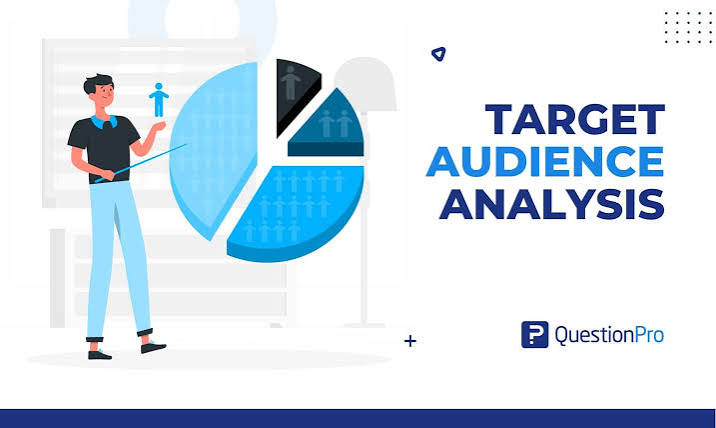
One of the biggest advantages of AI advertising is advanced audience segmentation.
Choose software that helps identify customer interests, behaviors, demographics, and purchasing patterns for more accurate targeting.
Step 5: Review Budget Optimization Tools
AI can automatically adjust bids and allocate budgets based on campaign performance.
These optimization features help improve advertising efficiency while reducing wasted spending.
Step 6: Evaluate Analytics and Reporting
Comprehensive analytics help marketers understand impressions, clicks, conversions, engagement, and return on investment.
Detailed reporting supports better decision-making and ongoing campaign improvement.
Step 7: Test Campaign Performance
Before investing heavily, use trial campaigns or small advertising budgets to evaluate how well the AI tool performs.
Testing helps identify the best software for your marketing objectives.
Step 8: Continuously Optimize Campaigns
Monitor campaign performance regularly, review AI recommendations, and refine your advertising strategy based on collected data.
Continuous optimization leads to stronger long-term advertising results.
Benefits of AI Advertising Tools
- Automates campaign management.
- Improves audience targeting.
- Optimizes advertising budgets.
- Saves valuable time.
- Supports personalized advertising.
- Increases campaign efficiency.
- Provides advanced performance analytics.
- Improves conversion rates.
- Reduces manual optimization work.
- Supports multi-channel advertising.
- Helps maximize return on investment.
- Suitable for businesses of all sizes.
Disadvantages / Risks
- Premium software can be expensive.
- AI recommendations require human review.
- High-quality customer data is essential.
- Learning advanced features takes time.
- Platform capabilities vary significantly.
- Privacy regulations must be followed.
- Overdependence on automation may reduce creativity.
- Campaigns require ongoing monitoring and adjustments.
Common Mistakes to Avoid
A common mistake is relying completely on AI without setting clear campaign objectives. Artificial intelligence performs best when marketers provide defined goals, quality creative assets, and accurate audience information. AI should support your advertising strategy rather than replace it.
Another mistake is ignoring campaign analytics after launching advertisements. Even with automated optimization, marketers should regularly review performance metrics, test different creative variations, and adjust targeting to maximize advertising success.
Frequently Asked Questions
1. What are AI advertising tools?
AI advertising tools are software applications that use artificial intelligence to automate campaign management, optimize advertising performance, improve targeting, and analyze marketing data.
2. Who should use AI advertising tools?
Businesses, ecommerce stores, digital marketers, agencies, startups, entrepreneurs, and advertisers can all benefit from AI-powered advertising tools.
3. Can AI advertising tools improve campaign performance?
Yes. AI helps optimize budgets, improve audience targeting, automate bidding, analyze campaign performance, and identify opportunities for better advertising results.
4. Are AI advertising tools suitable for beginners?
Yes. Many platforms include beginner-friendly dashboards, guided campaign setup, automation features, and educational resources that simplify digital advertising.
5. Does AI replace advertising professionals?
No. AI supports campaign optimization and automation, but human marketers remain responsible for creative strategy, branding, messaging, and overall business objectives.
6. How do I choose the best AI advertising tool?
Identify your advertising goals, compare automation features, evaluate reporting capabilities, review pricing, test available plans, and choose software that supports your marketing strategy.
Expert Tips & Bonus Points
Start with smaller advertising budgets while learning how AI optimization works. This approach allows you to evaluate campaign performance, understand audience behavior, and improve your strategy before increasing advertising investment.
Combine AI-generated recommendations with creative storytelling and strong branding. While AI excels at analyzing data and optimizing campaigns, memorable advertisements still depend on compelling visuals, persuasive messaging, and a clear understanding of your target audience.
Conclusion
AI advertising tools have transformed digital marketing by helping businesses automate campaign management, improve targeting accuracy, optimize advertising budgets, and increase overall performance. Whether you’re running search ads, display campaigns, social media promotions, or ecommerce advertisements, AI provides valuable insights that improve efficiency and support better decision-making. Choosing the right AI advertising tool begins with understanding your goals and selecting features that align with your marketing objectives.
Although artificial intelligence significantly enhances advertising workflows, successful campaigns still require creativity, strategic planning, and continuous optimization. Human expertise remains essential for developing compelling messages, understanding customer needs, and building strong brand experiences.
By following the recommendations in this guide, beginners can confidently use AI advertising tools to create smarter and more effective marketing campaigns. With thoughtful planning, ongoing analysis, and responsible use of AI technology, businesses can improve advertising performance, increase conversions, and achieve long-term digital marketing success.