

Introduction
Creating consistent, high-quality content is essential for businesses, bloggers, marketers, and online brands. However, producing blog posts, social media updates, email campaigns, newsletters, product descriptions, and website content manually can be time-consuming and resource-intensive. Content automation helps streamline these repetitive tasks by using software and artificial intelligence to simplify content planning, creation, publishing, and management.
For beginners, content automation may seem like a complicated concept, but it is simply a smarter way to improve productivity while maintaining a consistent publishing schedule. Modern automation tools can generate content ideas, assist with writing, schedule posts, optimize content for search engines, and distribute content across multiple platforms. When used correctly, automation allows creators to spend more time on strategy and creativity rather than repetitive manual work.
This guide explains everything you need to know about content automation, including what it is, why it is important, how to implement it successfully, its benefits, potential drawbacks, common mistakes, frequently asked questions, and expert recommendations. By the end of this article, you’ll understand how content automation can improve your workflow and support long-term content marketing success.
What Is Content Automation?
Content automation is the process of using software, artificial intelligence, and digital tools to automate repetitive content-related tasks. These tasks may include content planning, keyword research, writing assistance, editing, scheduling, publishing, social media distribution, email marketing, reporting, and workflow management.
Rather than replacing human creativity, content automation supports content creators by handling routine activities more efficiently. This allows writers, marketers, and businesses to focus on strategy, quality, audience engagement, and business growth.
Why Is Content Automation Important?
Content automation helps businesses and creators publish content more consistently while reducing the time spent on repetitive tasks. Instead of manually managing every stage of content production, automated workflows improve efficiency and reduce the risk of missed deadlines.
Automation also helps maintain consistency across multiple marketing channels. Whether you’re managing a blog, social media accounts, newsletters, or digital campaigns, content automation ensures your publishing schedule remains organized while supporting better audience engagement.
Step-by-Step Guide to Implementing Content Automation
Step 1: Identify Repetitive Tasks
Begin by reviewing your current content workflow. Identify tasks that consume significant time, such as scheduling posts, organizing ideas, sending emails, updating websites, or managing social media.
Automating repetitive activities creates immediate productivity improvements.
Step 2: Define Your Content Goals
Determine what you want your content strategy to achieve. Your goals may include increasing website traffic, generating leads, improving SEO, growing social media engagement, or strengthening customer relationships.
Clear objectives help guide your automation strategy.
Step 3: Choose the Right Automation Tools
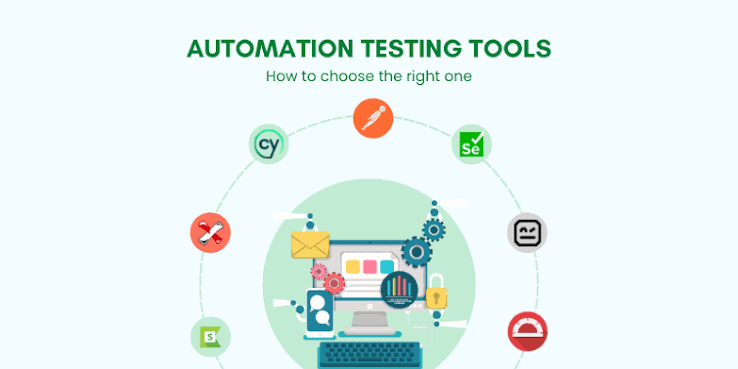
Select automation software that supports your specific workflow. Features may include content planning, AI writing assistance, scheduling, collaboration, analytics, email automation, and publishing.
Choose platforms that integrate smoothly with your existing systems.
Step 4: Create a Content Calendar
Develop a publishing schedule that outlines when and where content will be published.
A structured content calendar keeps your workflow organized while ensuring consistent communication with your audience.
Step 5: Automate Content Distribution
Use automation tools to publish blog articles, social media posts, newsletters, and marketing campaigns according to your planned schedule.
Automated publishing reduces manual effort while maintaining consistency.
Step 6: Review and Edit Every Piece of Content
Although automation speeds up production, every article, email, or social media post should be reviewed before publication.
Human editing ensures accuracy, quality, and alignment with your brand voice.
Step 7: Monitor Performance
Track key performance indicators such as website traffic, engagement, conversions, email open rates, and social media interactions.
Performance data helps identify opportunities for future improvements.
Step 8: Continuously Optimize Your Workflow
Review your automation process regularly and refine workflows as your business grows.
Improving your automation strategy over time leads to greater efficiency and stronger content marketing results.
Benefits of Content Automation
- Saves valuable time.
- Improves publishing consistency.
- Reduces repetitive manual work.
- Increases productivity.
- Supports content marketing strategies.
- Simplifies workflow management.
- Helps maintain content calendars.
- Improves team collaboration.
- Supports SEO content production.
- Reduces human error in scheduling.
- Scales content operations efficiently.
- Allows creators to focus on strategy and creativity.
Disadvantages / Risks
- Initial setup may require time.
- Premium automation software can be expensive.
- AI-generated content requires editing.
- Over-automation may reduce personalization.
- Technical issues may interrupt workflows.
- Learning new software takes practice.
- Poor planning can reduce content quality.
- Regular monitoring is still necessary.
Common Mistakes to Avoid
One of the biggest mistakes is attempting to automate every aspect of content creation without human oversight. While automation improves efficiency, successful content still requires creativity, fact-checking, editing, and personalization to connect with readers and maintain quality.
Another common mistake is ignoring performance analytics. Automation should not be a “set it and forget it” process. Regularly reviewing metrics helps identify which content performs well and where your strategy can be improved.
Frequently Asked Questions
1. What is content automation?
Content automation is the use of software and artificial intelligence to automate repetitive tasks involved in planning, creating, publishing, and managing digital content.
2. Who can benefit from content automation?
Businesses, marketers, bloggers, agencies, freelancers, ecommerce stores, educators, and content creators can all improve efficiency through content automation.
3. Does content automation replace human writers?
No. Content automation supports writers by handling repetitive tasks, while humans remain responsible for creativity, editing, strategy, and quality control.
4. Can content automation improve SEO?
Yes. Automation helps organize publishing schedules, optimize workflows, assist with keyword research, and maintain consistent content production, all of which support long-term SEO efforts.
5. Is content automation suitable for small businesses?
Absolutely. Small businesses can use automation to manage marketing activities more efficiently while reducing workload and improving consistency.
6. How do I start using content automation?
Identify repetitive tasks, choose appropriate automation software, create a content calendar, automate publishing where appropriate, monitor results, and continuously improve your workflow.
Expert Tips & Bonus Points
Start by automating only the most repetitive parts of your workflow instead of trying to automate everything at once. Gradually expanding your automation strategy makes implementation easier while allowing you to maintain content quality throughout the process.
Remember that automation works best when combined with human creativity. Use automated systems to improve efficiency, but continue adding original ideas, personal expertise, and thoughtful editing to produce valuable content that builds trust with your audience.
Conclusion
Content automation has become an essential strategy for businesses and creators looking to improve productivity, maintain consistent publishing schedules, and streamline content marketing operations. By automating repetitive tasks such as planning, scheduling, publishing, and workflow management, organizations can focus more on creativity, audience engagement, and long-term growth. Choosing the right automation tools begins with understanding your goals and identifying areas where automation delivers the greatest value.
Successful content automation is not about replacing human creativity but enhancing it. Careful editing, strategic planning, and ongoing performance analysis remain essential for producing high-quality content that meets audience expectations and supports business objectives.
By following the guidance in this article, beginners can confidently implement content automation into their daily workflow while maintaining quality, consistency, and efficiency. With the right balance of technology and human expertise, content automation becomes a powerful solution for scaling content creation and achieving sustainable digital marketing success.