
Introduction
Creating fresh, engaging, and informative content on a consistent basis is one of the biggest challenges for bloggers, marketers, businesses, and website owners. Whether you’re writing blog articles, product descriptions, social media posts, newsletters, or website pages, producing quality content requires time, creativity, and research. An AI content generator helps simplify this process by generating well-structured drafts, suggesting ideas, improving writing quality, and reducing the time needed to create content.
For beginners, choosing and using an AI content generator may seem overwhelming because numerous platforms offer different capabilities. Some focus on long-form articles, while others specialize in marketing copy, SEO content, email writing, or social media captions. Understanding how these tools work allows users to select the right solution for their goals while maximizing productivity.
This guide covers everything you need to know about AI content generators, including what they are, why they are important, how to choose the right platform, their advantages, limitations, common mistakes, frequently asked questions, and expert recommendations. By the end of this article, you’ll understand how to use AI content generators effectively while maintaining originality and quality.
What Is an AI Content Generator?
An AI content generator is software that uses artificial intelligence to create written content based on user instructions or prompts. It analyzes language patterns, context, and user input to generate articles, blog posts, website copy, product descriptions, emails, advertisements, social media content, and other written materials.
Modern AI content generators often include additional features such as grammar checking, content rewriting, tone adjustment, SEO optimization, summarization, translation, and idea generation. These capabilities help users produce professional-quality content more efficiently across different industries and content formats.
Why Is an AI Content Generator Important?
An AI content generator saves time by assisting with drafting, organizing ideas, and overcoming writer’s block. Instead of starting with an empty page, users can quickly generate structured content that can be refined and personalized to suit their audience and objectives.
These tools also improve productivity by automating repetitive writing tasks while supporting consistent content production. Businesses, bloggers, marketers, and freelancers can publish more frequently without sacrificing organization or readability, making AI content generators valuable resources for modern content creation.
Step-by-Step Guide to Choosing an AI Content Generator
Step 1: Identify Your Content Needs
Determine the type of content you create most often, such as blog articles, landing pages, emails, advertisements, product descriptions, or social media posts.
Selecting software designed for your primary content type improves writing efficiency and overall results.
Step 2: Compare Available Features
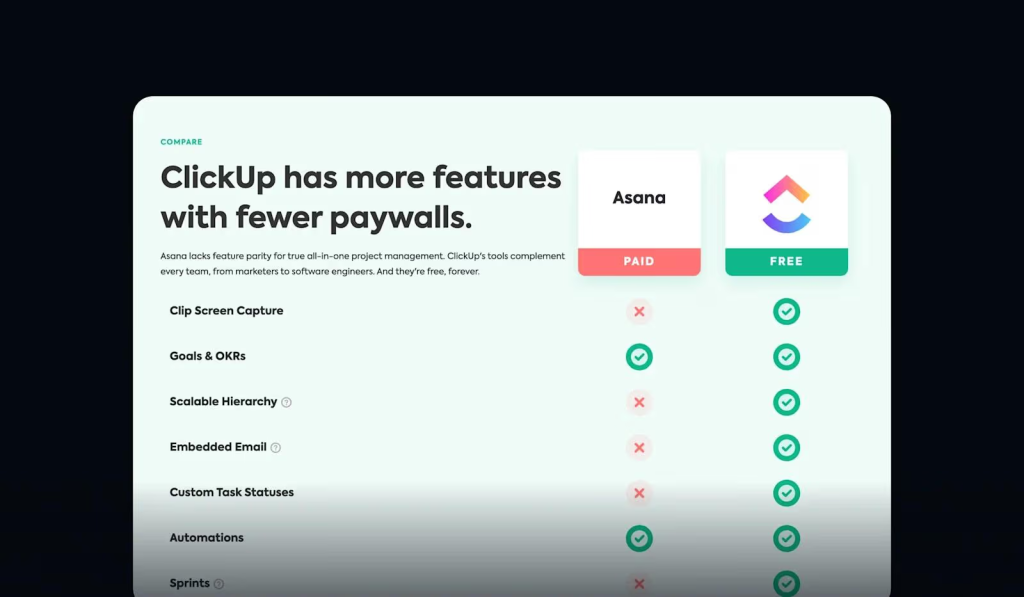
Different AI content generators provide different capabilities, including long-form writing, SEO assistance, rewriting tools, grammar correction, multilingual support, templates, and content optimization.
Choose a platform that offers the features most relevant to your workflow.
Step 3: Evaluate Ease of Use
A beginner-friendly interface makes content creation easier and reduces the learning curve.
Look for software with intuitive navigation, guided templates, and helpful documentation.
Step 4: Review Content Quality
Test how naturally the software writes by generating sample content for different topics.
High-quality AI content generators produce clear, readable, and well-organized drafts that require minimal editing.
Step 5: Check SEO Capabilities
If your content is intended for websites or blogs, choose software that supports keyword optimization, readability analysis, headings, and content structure.
SEO features improve your chances of ranking well in search engine results.
Step 6: Consider Pricing Plans
Many AI content generators offer free versions alongside premium subscriptions with advanced features and higher usage limits.
Compare pricing based on your publishing frequency and business requirements.
Step 7: Look for Integrations
Some platforms integrate with content management systems, browser extensions, document editors, and productivity software.
These integrations help streamline content creation and publishing workflows.
Step 8: Edit and Personalize Every Draft
AI-generated content should always be reviewed, edited, and customized before publishing.
Adding your own expertise, examples, and unique perspective improves originality and builds trust with readers.
Benefits of AI Content Generators
- Speeds up content creation.
- Saves valuable writing time.
- Helps overcome writer’s block.
- Generates fresh content ideas.
- Improves writing productivity.
- Supports SEO-friendly content creation.
- Assists with editing and rewriting.
- Suitable for multiple content formats.
- Enhances workflow efficiency.
- Useful for businesses and freelancers.
- Many platforms include free plans.
- Helps maintain consistent publishing schedules.
Disadvantages / Risks
- Premium plans may be expensive.
- AI-generated content requires editing.
- Generic outputs may lack originality.
- Fact-checking remains necessary.
- Internet access is usually required.
- Platform quality varies.
- Overdependence may reduce writing skills.
- Sensitive topics require careful human review.
Common Mistakes to Avoid
Many users publish AI-generated content without reviewing it carefully. While AI can create well-structured drafts, every article should be edited for clarity, accuracy, grammar, originality, and brand voice before publication. Human oversight remains essential for producing trustworthy and engaging content.
Another common mistake is relying on AI to create every aspect of the writing process. AI performs best when used as a creative assistant rather than a replacement for human expertise. Combining AI-generated drafts with personal insights and real-world experience results in higher-quality content.
Frequently Asked Questions
1. What is an AI content generator?
An AI content generator is software that creates written content using artificial intelligence based on user prompts, instructions, or keywords.
2. Who can benefit from AI content generators?
Bloggers, marketers, business owners, freelancers, students, agencies, and content creators can all use AI content generators to improve productivity and streamline content creation.
3. Can AI content generators create SEO-friendly articles?
Yes. Many AI content generators include SEO features such as keyword integration, heading suggestions, readability improvements, and optimized content structures.
4. Is AI-generated content ready to publish?
Not always. AI-generated drafts should be reviewed, edited, fact-checked, and personalized to ensure accuracy, originality, and consistency with your brand or writing style.
5. Are free AI content generators available?
Yes. Many providers offer free plans with limited features, while premium subscriptions provide additional writing capabilities, templates, and higher usage limits.
6. How do I choose the best AI content generator?
Evaluate your content needs, compare writing quality, review available features, test free versions, assess SEO capabilities, and choose software that fits your workflow and budget.
Expert Tips & Bonus Points
Use AI content generators to create outlines, brainstorm ideas, and produce first drafts rather than relying on them for final versions. Adding personal expertise, industry knowledge, and original examples significantly improves the quality and credibility of your content.
Develop a consistent editing process that includes checking facts, improving readability, optimizing headings, refining transitions, and ensuring the content aligns with your audience’s expectations. This combination of AI efficiency and human creativity delivers the best long-term results.
Conclusion
AI content generators have become valuable tools for individuals and businesses seeking to create content more efficiently while maintaining consistency and productivity. Whether you’re producing blog posts, marketing materials, website pages, or business documents, these tools help simplify the writing process by generating organized drafts and reducing repetitive work. Choosing the right AI content generator begins with understanding your goals, evaluating available features, and selecting software that complements your workflow.
Although AI significantly improves content creation speed, the best results come from combining automated assistance with human creativity and careful editing. Reviewing drafts, verifying information, and adding your own expertise ensure that every piece of content remains original, informative, and engaging for readers.
By applying the recommendations in this guide, beginners can confidently use AI content generators to enhance productivity while producing high-quality content across multiple formats. With thoughtful use and continuous improvement, AI can become an effective writing assistant that supports long-term content marketing and publishing success.